Old Penmanship Diary Sheets: Vintage Writing Elegance
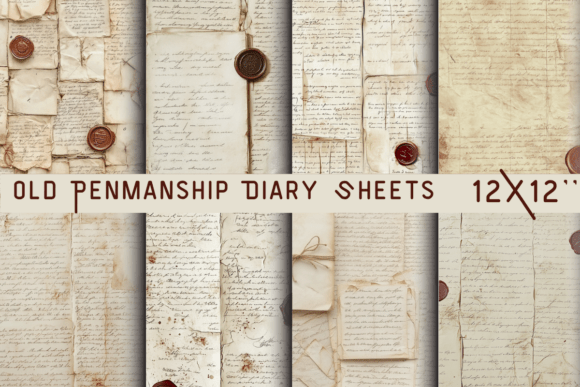
There's a quiet magic in the scratch of a nib on old paper, the faded loops of cursive, and the sepia-toned pages of a diary that has witnessed decades. Capturing that essence digitally is no small feat, yet the Old Penmanship Diary Sheets collection does so with remarkable authenticity. This is more than a set of backgrounds; it's a carefully curated portal to a bygone era of handwritten correspondence and personal reflection. Each of the 12 high-resolution designs presents a unique narrative through elegant cursive scripts, aged ink textures, and the warm, inviting palette of antique paper. For creators seeking to imbue their projects with a sense of history, literary depth, and tactile nostalgia, this digital pack offers a foundational asset that feels both personal and timeless.
The Anatomy of Authentic Vintage Texture
Understanding the specific visual characteristics of the Old Penmanship Diary Sheets is key to unlocking their potential. The collection's personality is defined by its meticulous details. The faded handwritten diary entries aren't generic; they suggest stories, appointments, and fleeting thoughts, giving each sheet a distinct character. The vintage cursive writing varies in pressure and flow, mimicking the natural inconsistency of a human hand, which is a quality often missing in standard script fonts. This isn't a single typeface but a layered composition of aged ink textures over antique paper backgrounds, creating an opaque, non-transparent surface perfect for layering other design elements upon.
The color palette—sepia brown, aged beige, faded ink black, warm cream, and muted grey—is inherently versatile. It avoids the harshness of pure black and white, offering a softer, more organic base for brand identity work or editorial design. The 12" x 12" dimensions at 300 DPI ensure these assets are not just for screen use; they are professional-grade design assets for high-quality print projects. The substantial file size (8–18 MB per page) is a testament to the detail preserved, making them ideal for large-format prints or detailed packaging design where texture needs to hold up under scrutiny.
Strategic Applications Across Creative Disciplines
The true value of a resource like the Old Penmanship Diary Sheets lies in its adaptability across diverse projects. For graphic designers and brand strategists, these sheets offer an immediate solution for creating a brand identity rooted in heritage and craftsmanship. Imagine using a cropped section as a textured background for a law firm's website, evoking tradition and trust, or as the foundational layer for a artisanal food brand's packaging design, suggesting homemade quality and time-honored recipes.
- Junk Journaling & Scrapbooking: The primary and most intuitive use. These sheets serve as perfect ephemera backgrounds, page bases, or layering elements that instantly establish a vintage, literary aesthetic.
- Digital & Print Publishing: Bloggers and publishers can use these as unique backgrounds for quote graphics, chapter dividers in e-books, or textured overlays for podcast cover art, enhancing reader engagement through visual storytelling.
- Marketing & Social Media: Content creators and marketers can break through the noise of polished, modern graphics. A social media post featuring one of these diary sheets as a background for a testimonial or a thoughtful quote can foster a deeper, more personal connection with the audience.
- Stationery & Personal Projects: From designing custom wedding invitations with a vintage feel to creating personalized planner inserts or heritage family history books, the applications for hobbyists and crafters are boundless.
When considering font pairing, the key is contrast and clarity. The intricate detail of the old penmanship scripts can compete with other highly decorative typefaces. Therefore, pairing these backgrounds with clean, simple sans serif fonts or sturdy, classic serif fonts for body text is a practical approach. This creates a clear visual hierarchy, where the vintage texture sets the mood and the legible typeface conveys the message effectively. For a logo design project, one might use a crisp, modern logotype overlaid on a subtle, cropped section of a diary sheet to create a compelling juxtaposition of old and new.
Practical Guidance for Selection and Implementation
Choosing the right asset begins with evaluating project fit. The Old Penmanship Diary Sheets are a premium font and texture pack designed for projects where atmosphere and narrative are paramount. They are less suited for minimalist, ultra-clean, or futuristic aesthetics. Before committing, review each of the 12 designs. Some may feature denser text, others more prominent ink blots or paper grain. Selecting the sheet that aligns with your project's specific tone—whether it's a formal letter, a romantic note, or a scholarly journal—is a critical first step.
Testing is non-negotiable. Always place your primary text or design elements over the background at the intended scale. Check the readability of your chosen typeface against the busy texture. You may need to add a semi-transparent overlay, use a text box with a solid fill, or apply a subtle drop shadow to ensure your message isn't lost. This step is crucial for maintaining professionalism and ensuring your design communicates clearly, which directly impacts audience engagement and brand recognition.
Finally, consider the licensing. As a digital product, its use is typically governed by the terms provided upon purchase. For small business owners and entrepreneurs using these in commercial projects—such as product packaging, merchandise, or client work—confirming that the license covers your intended use is essential for legal compliance and protecting your business. The Old Penmanship Diary Sheets collection is more than just a set of files; it's a versatile toolkit for adding a layer of authentic, emotional resonance to a wide array of creative and commercial endeavors. Its strength lies not in shouting for attention, but in whispering stories of the past, inviting your audience to lean in and listen.