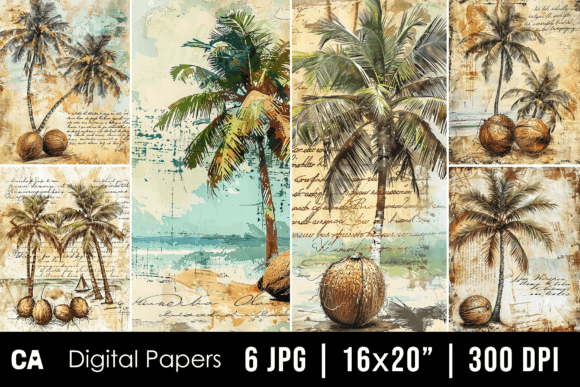
Vintage Palm Tree Journal Pages: Crafting Coastal Elegance
There is a specific kind of warmth that comes from vintage textures—something that feels both lived-in and timeless. When we talk about Vintage Palm Tree Journal Pages, we aren't just discussing digital files; we are talking about a gateway to a tropical, nostalgic aesthetic. These backgrounds and digital assets are designed to capture the essence of a sun-bleached, relaxed lifestyle, making them a powerful tool for anyone involved in creative projects. Whether you are a small business owner looking to refine your brand identity or a crafter seeking the perfect backdrop for a scrapbook, these assets offer a versatile foundation.
The Anatomy of the Aesthetic: Why This Style Resonates
The appeal of this collection lies in its ability to bridge the gap between organic textures and modern typography trends. The visual characteristics are distinct: think weathered paper textures, soft earth tones, and the unmistakable silhouette of palm fronds and coconuts. It possesses a personality that is simultaneously rugged and refined. This isn't the glossy, hyper-polished look of corporate stock photography. Instead, it offers an authentic, tactile quality that feels handmade.
For designers and marketers, understanding this style is crucial. The "vintage" label often implies a retro color palette—faded yellows, dusty greens, and sepia undertones—but in the context of these journal pages, it also suggests durability. The textures are high-resolution (300 DPI), meaning they hold up under scrutiny. This makes them ideal for packaging design where physical touch is involved, or for editorial design where the paper quality needs to feel tangible even on a digital screen.
Strategic Applications: Beyond the Junk Journal
While the name suggests junk journaling and scrapbooking, the utility of Vintage Palm Tree and Coconut Backgrounds extends far into the professional sphere. For entrepreneurs and content creators, these assets serve as a robust foundation for visual storytelling. Consider the current landscape of social media graphics; the algorithm favors authenticity. Using these textured backgrounds for Instagram posts or Pinterest pins can break the monotony of flat, digital-native designs, stopping the scroll and inviting engagement.
In web design, these pages can be used to create immersive "About Me" sections or hero images for travel blogs and lifestyle brands. The key is to treat these backgrounds as a canvas. They are not the headline; they are the stage upon which your serif font or sans serif font stands out. For example, pairing a clean, geometric sans serif against the grainy, organic texture of a palm tree background creates a striking contrast that enhances readability and visual hierarchy.
Practical Guide to Implementation
Integrating these assets into your workflow requires a thoughtful approach to font pairing and color theory. Because the backgrounds are rich in texture, you need to be mindful of how your text interacts with the image.
- Contrast is King: When overlaying text on these high-resolution backgrounds, ensure there is enough contrast. A white or cream display font often works best against the darker, natural greens and browns of the vintage palm aesthetic.
- Texture Layering: Don't just slap a logo on top. Use blend modes (like Multiply or Overlay) to integrate your typeface into the texture. This creates a cohesive look for your packaging design or invitation cards.
- Color Sampling: Pull your accent colors directly from the background image. If the coconuts in the illustration have a specific shade of tan, use that for your subheadings or call-to-action buttons. This ensures color harmony across your design assets.
Evaluating Fit and Commercial Usage
Before committing to a premium font or a set of backgrounds for a commercial project, you must evaluate the fit. Does the "vintage" personality align with your client's voice? If you are designing for a hyper-modern tech startup, a weathered palm tree might send mixed signals. However, for a boutique hotel, a surf school, or a wellness brand, this aesthetic is a goldmine for brand identity.
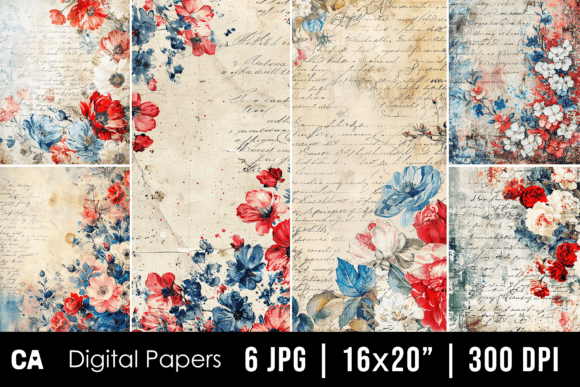
It is also essential to review the technical specifications. The collection includes six backgrounds at a massive 18×20 inches / 4800×6000 pixels. This size is generous, allowing for significant cropping without losing quality. This is particularly important for print projects like poster design or large-scale signage where resolution is non-negotiable.
The Final Checklist for Creators
When you download this set, you are getting an instant download of JPG files. Here is how to maximize that investment:
- Test the Scale: Because the files are high-res, zoom in to check the texture details. Ensure the grain looks realistic at the size you intend to print.
- Mockup First: Before printing 500 business cards, create a digital mockup. Place your logo and typography over the background to see how the visual hierarchy holds up.
- Check Device Consistency: As noted, colors vary by device. View your designs on a calibrated monitor and a standard mobile phone to ensure the vintage tones don't wash out on smaller screens.
Ultimately, Vintage Palm Tree Journal Pages are more than just decorations; they are a design strategy. They provide a shortcut to creating an atmosphere of relaxed sophistication. By leveraging these backgrounds effectively, you can transform simple creative projects