Timeless Elegance: Using Vintage Letter Junk Journal Page
There’s a specific kind of charm that comes from holding an old letter—the slight yellowing of the paper, the imperfections of the ink, and the personality embedded in the handwriting. As designers, we often look for ways to capture that organic, human feel in our digital work, which can often feel sterile. This is exactly where the Vintage Letter Junk Journal Page aesthetic comes into play. It isn’t just a background; it is a digital asset that serves as a foundation for storytelling.
When you download a high-quality set of these digital papers, you are acquiring more than just pixels. You are getting a toolkit for mood and atmosphere. These backgrounds are designed to mimic the tactile experience of paper crafting—think aged parchment, faint ruled lines, and perhaps the ghost of a watermark. The visual personality is one of nostalgia, authenticity, and quiet sophistication. It appeals to the part of us that values history and craftsmanship, making it a powerful asset for anyone looking to add depth to their visual communication.
The Anatomy of the Aesthetic
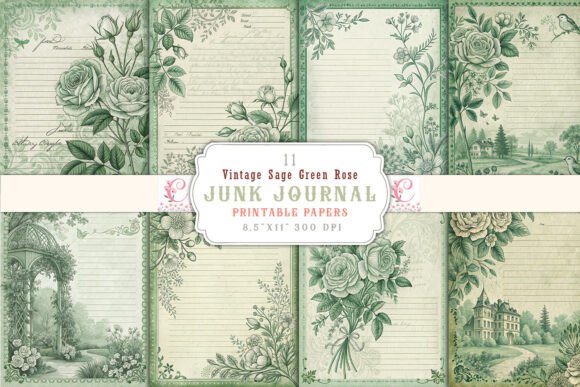
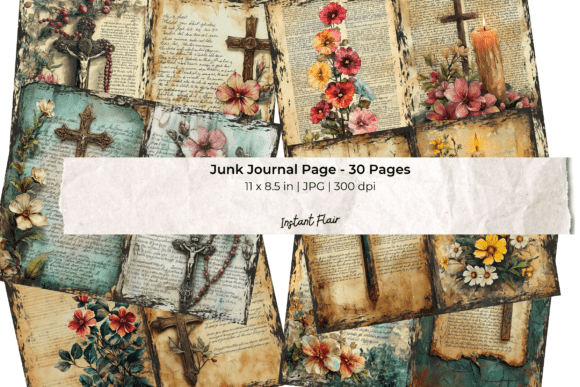
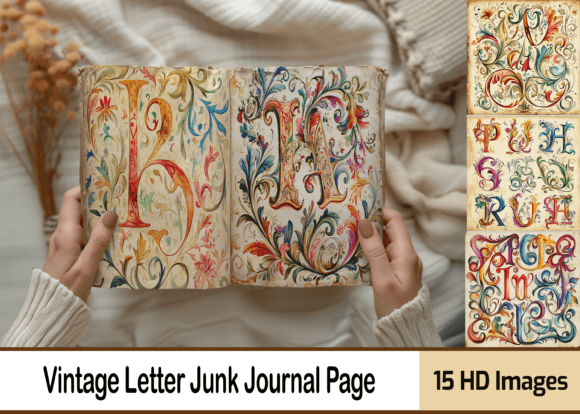
What makes the Vintage Letter Junk Journal Page so effective is its versatility within a specific niche. Visually, these backgrounds often feature soft, muted color palettes—creams, sepia tones, and faded blues or greys. They avoid the harsh contrast of modern black-and-white, opting instead for the gentle gradients of aged paper. This subtlety is crucial. It provides enough texture to be interesting but not so much that it overwhelms the foreground content.
For a graphic designer or brand strategist, understanding the "personality" of your assets is half the battle. This style speaks to a brand identity that values tradition, warmth, and reliability. It works beautifully for:
- Editorial Design: Creating magazine layouts or blog headers that feel personal and intimate.
- Packaging Design: Wrapping artisanal goods like coffee, tea, or handmade soaps where a rustic, organic look is preferred.
- Social Media Graphics: Standing out in a feed full of neon colors and sharp edges with a calming, nostalgic vibe.
- Wedding Stationery: Providing a classic backdrop for invitations and save-the-dates.
Strategic Application in Branding
When you are building a brand identity, consistency is key. Using a resource like the Vintage Letter Junk Journal Page allows you to maintain a cohesive look across various platforms. If your brand voice is conversational, storytelling-focused, or steeped in history, these digital papers act as the stage for your content.
However, readability remains the priority. Because these backgrounds feature texture, you need to be mindful of your typography choices. This is where pairing becomes essential. If you are using a textured, vintage background, a clean sans serif font often provides the best contrast, ensuring your message isn't lost in the design. Conversely, if you want to lean into the classic look, a legible serif font with generous letter spacing can work wonders. Avoid overly complex script fonts or handwritten fonts for body copy on these backgrounds, as the visual noise can make reading difficult.
Practical Usage and Design Hierarchy
Let's talk about execution. Having the asset is one thing; using it effectively is another. The beauty of a premium font or background pack is in the details. When working with the Vintage Letter Junk Journal Page, consider how it influences your visual hierarchy.
If you are creating a social media post, you might place the vintage background as your base layer. Next, you add a semi-transparent white overlay or a solid shape to house your text. This creates a "window" for your message, utilizing the vintage texture as a border or accent rather than the direct background for the text block. This technique maintains the modern typography standards we need for readability while still leveraging the vintage aesthetic.
For entrepreneurs and small business owners, these assets are a cost-effective way to elevate your marketing materials. Instead of hiring a photographer to stage a vintage photo shoot, you can use these high-resolution backgrounds to create mockups for your products. Place a digital product—like an ebook cover or a course workbook—on top of the Vintage Letter Junk Journal Page to give it a tangible, physical feel. This psychological trick can increase the perceived value of your digital goods.
Evaluating Quality and Licensing
Not all digital assets are created equal. When sourcing design assets like these, quality matters. Look for high-resolution files that don't pixelate when zoomed in. Since the appeal of the vintage look is in the paper grain and subtle imperfections, a low-quality file will ruin the effect.
Furthermore, always check the commercial licensing. If you are a designer creating work for a client, or a business owner using the backgrounds on merchandise, you need to ensure the license covers commercial use. This protects you legally and ensures that your logo design or marketing campaign is built on a solid foundation.
Conclusion: Elevating the Ordinary
The Vintage Letter Junk Journal Page is more than just a nostalgic trend; it is a strategic design choice. It humanizes the digital experience, bridging the gap between the cold screen and the warm, tactile world of paper and ink. Whether you are a crafter scrapbooking digital memories, a photographer looking for unique overlays, or a marketer trying to create a distinct brand identity, these backgrounds offer a solution that is both practical and evocative.
By integrating these assets thoughtfully—balancing texture with clean typography and focusing on high-resolution quality—you can transform standard projects into professional, polished pieces of art. It’s about taking that step beyond basic templates and investing in the details that make your work memorable. Download the set, experiment with pairings, and watch how a simple change in background can completely shift the tone of your project.