Embracing Nostalgia: Using Vintage Daisy & Butterfly Journal Pages
The Visual Character of These Digital Backgrounds
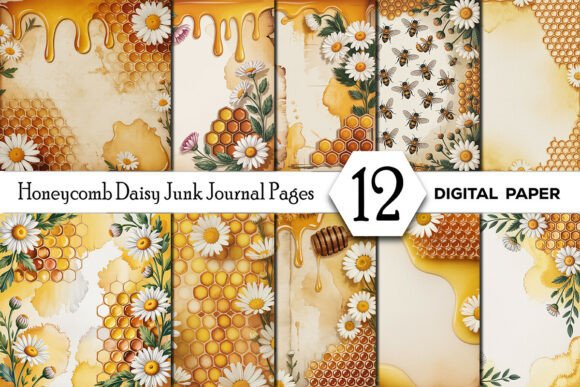
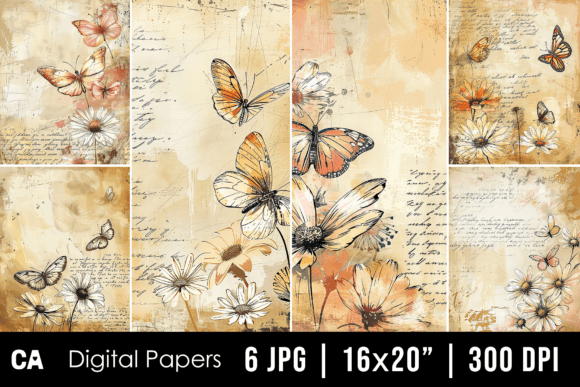
There’s a certain warmth that comes with vintage aesthetics—something soft, organic, and deeply human. The Vintage Daisy & Butterfly Journal Pages collection captures that feeling beautifully. These backgrounds feature hand-drawn daisies, delicate butterfly motifs, and a slightly faded, time-worn texture that evokes old botanical journals and nature diaries. The color palette leans toward muted pastels, soft creams, and gentle greens, with occasional pops of lavender or buttery yellow. It’s not overly polished or digitally sterile; instead, it feels authentic, like something you might find tucked inside a grandmother’s scrapbook or a 1920s field guide.
What makes this set particularly appealing is its versatility. The designs balance intricate detail with enough negative space to remain usable. You won’t find cluttered compositions here—just thoughtful arrangements of daisies and butterflies that frame content without overwhelming it. The overall personality is nostalgic, feminine, and quietly elegant, making it a strong choice for projects that aim to feel personal, handcrafted, or timeless.
Where These Backgrounds Truly Shine
As a designer or creative professional, you know that not every asset works everywhere. These Vintage Daisy & Butterfly Journal Pages excel in specific contexts where their aesthetic can add genuine value. Think about invitation suites for garden weddings, baby showers, or spring brunches. The botanical theme naturally complements events tied to nature, growth, and celebration. For small business owners in the handmade or artisan space—say, a florist, a herbal tea brand, or a boutique stationery shop—these backgrounds can reinforce brand identity when used on thank-you cards, product tags, or social media templates.
Bloggers and content creators will find them useful for creating cohesive visual narratives, especially in niches like gardening, vintage lifestyle, or sustainable living. Imagine using one of these as a background for a quote graphic on Instagram, or as a textured layer behind a recipe card in a digital cookbook. For junk journaling and scrapbooking enthusiasts, the high-resolution files at 4800×6000 pixels and 300 DPI ensure crisp prints, even at larger sizes like 18×20 inches. That means you can print them for physical craft projects without worrying about pixelation or loss of detail.
Practical Tips for Integrating These Designs
When incorporating any design asset, context is everything. Start by evaluating whether the vintage, botanical style aligns with your project’s tone. If you’re designing for a modern tech startup, these probably aren’t the right fit. But for a cozy café’s loyalty card, a nonprofit’s spring fundraiser, or a self-published poetry collection, they could be perfect. Pay attention to how the background interacts with your typography. Pair these detailed, organic patterns with clean, simple typefaces—a straightforward sans serif or a classic serif font often works best. Avoid overly decorative scripts that might compete with the floral elements.
Consider layering techniques, too. You might reduce the opacity of the background slightly so text remains highly legible, or use a semi-transparent shape behind your copy to create contrast. For digital projects like websites or email headers, test how the design renders across different screen sizes. The high resolution means you can crop sections creatively without losing quality. If you’re using these for commercial work, remember that this is a digital download with no physical shipping—just instant access to six JPG files ready for your next project.
Making the Most of Your Creative Assets
Good design assets save time and elevate quality, but only when used thoughtfully. Before downloading, ask yourself: Does this collection solve a real need? If you regularly create invitations, cards, or journal-style layouts, having a set of cohesive, ready-to-use backgrounds streamlines your workflow. You won’t need to source individual elements or spend hours adjusting colors. The consistency across the six designs also helps maintain visual harmony if you’re creating a series—like a set of matching thank-you cards or a multi-page digital journal.
One often-overlooked aspect is color calibration. The product note mentions that colors may vary depending on your device, which is standard for digital files. If color accuracy matters—for example, in print projects—consider doing a small test print first or adjusting the hue and saturation in your design software to match your vision. This kind of attention to detail separates professional-looking work from amateur attempts, and it’s a simple step that makes a noticeable difference.
Final Thoughts on Style and Application
Ultimately, the Vintage Daisy & Butterfly Journal Pages are more than just pretty pictures. They’re a bridge between analog charm and digital convenience. For designers, they offer a quick way to add warmth and personality to client projects. For entrepreneurs and marketers, they provide a visual language that can soften a brand’s image and make it feel more approachable. For hobbyists and crafters, they’re a canvas waiting for personal expression.
The key is to use them with intention. Let the vintage daisies and butterflies tell a story that aligns with your message. Pair them with thoughtful typography, balanced layouts, and a clear purpose. When everything clicks, these backgrounds don’t just decorate—they communicate. And in a world saturated with generic visuals, that kind of authenticity stands out.