Cowboy Desert Junk Journal Pages: A Digital Toolkit for Western Aesthetics
In the realm of modern typography and digital design, the backdrop is just as crucial as the foreground text. While a premium font can dictate the voice of a project, the texture sets the mood. For designers aiming to capture the raw, sun-baked essence of the American West, the Cowboy Desert Junk Journal Pages bundle offers a comprehensive solution. This collection is not merely a set of images; it is a curated assembly of high-resolution design assets intended to bridge the gap between rustic charm and professional digital output.
The Visual Character of the Desert Aesthetic
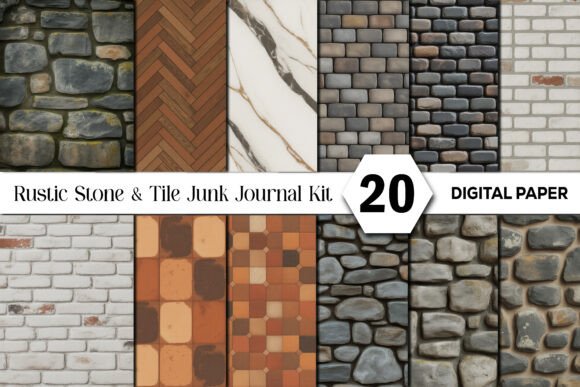
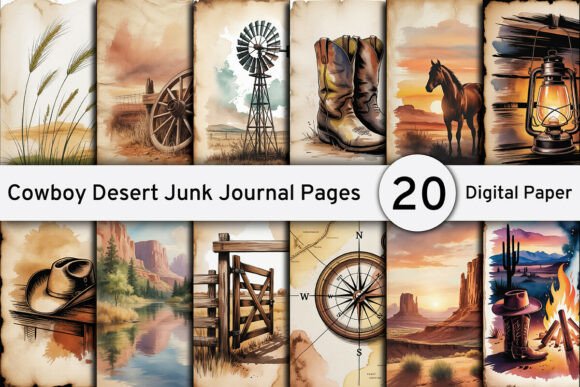
Understanding the visual personality of the Cowboy Desert Junk Journal Pages is key to successful implementation. These backgrounds evoke a specific atmosphere: dry, gritty, and timeless. Visually, the collection relies on a palette of earth tones—terracotta, sand, dusty sage, and weathered browns. The texture mimics the appearance of aged paper, dried earth, and vintage fabric. This style aligns perfectly with the current trend in brand identity that favors authenticity over polished perfection.
Unlike clean, minimalist sans serif fonts or sterile white backgrounds, these pages provide immediate depth. They suggest a narrative before a single word is written. The "junk journal" aspect implies a layering of history and mixed media. When using these assets, designers can expect surfaces that feature subtle grain, torn edges, and distressed overlays. This visual complexity makes them ideal for projects where the background needs to carry weight without overwhelming the central message. It is a style that complements both rugged display fonts and delicate handwritten scripts, offering a versatile stage for various typographic voices.
Strategic Applications for Designers and Businesses
The utility of the Cowboy Desert Junk Journal Pages extends far beyond personal scrapbooking. For small business owners and entrepreneurs, these assets serve as a foundation for a distinct brand identity. Consider the boutique hospitality sector, such as a glamping site or a ranch-to-table restaurant. Utilizing these backgrounds for digital menus, social media graphics, and website banners instantly communicates the venue's atmosphere. The high-resolution nature of the files (3600x4800 pixels at 300 DPI) ensures that the texture remains sharp even when scaled for large format printing, such as wall art or posters.
For content creators and bloggers in the lifestyle, travel, or fashion niches, these pages offer a cohesive aesthetic for editorial design. Instead of generic stock photos, using a textured background from this bundle for quote cards or Instagram stories creates a recognizable visual signature. Furthermore, the files are optimized for Print on Demand (POD) services. Entrepreneurs can apply these designs to physical products like journals, planners, and invitations. The seamless nature of the digital paper backgrounds ensures that patterns repeat without visible breaks, which is essential for professional packaging design and stationery.
Integrating Texture with Typography
A common challenge in design is maintaining readability when using complex backgrounds. The Cowboy Desert Junk Journal Pages are designed with this in mind, offering variation in density and tone. When overlaying text, visual hierarchy becomes the primary concern. A practical approach is to use these backgrounds behind bold, high-contrast typography. For instance, pairing the gritty desert texture with a clean, geometric sans serif font creates a striking contrast between the organic background and the structured foreground.
Conversely, pairing these pages with a flowing script font or a vintage serif font can enhance the thematic consistency, creating a cohesive "Western" or "Rustic" look. However, designers must test their font pairings carefully. If the background is busier, the text requires more negative space or a subtle drop shadow to ensure legibility. For web design, these textures work best as header backgrounds or footer accents rather than the main body text area, where they might cause eye strain during long reading sessions. The goal is to use the texture to frame the content, not compete with it.
Practical Considerations for Commercial Use
When selecting design assets for commercial projects, technical specifications matter as much as aesthetics. The Cowboy Desert Junk Journal Pages are provided in JPG format with RGB color mode, which is the standard for digital displays and modern printing processes. This ensures color accuracy across monitors and standard commercial printers. The 12x16 inch size at 300 DPI provides ample resolution for most standard applications, from business cards to medium-sized posters.
For those building a brand identity, consistency is key. By using the various papers within this bundle, you can create a suite of materials—social media posts, email headers, and physical packaging—that feel unified. It allows a brand to maintain a consistent "voice" visually. Whether you are a crafter designing a scrapbook album or a marketer creating a campaign for a western wear line, these assets provide the necessary foundation to create professional, engaging, and tactile designs that resonate with a modern audience seeking authenticity.