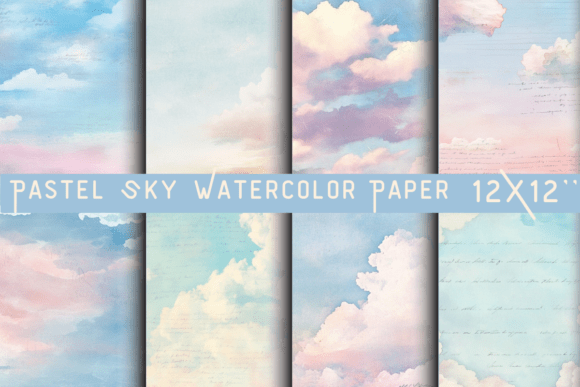
Blue Watercolor Background: Your Design’s Calming Foundation
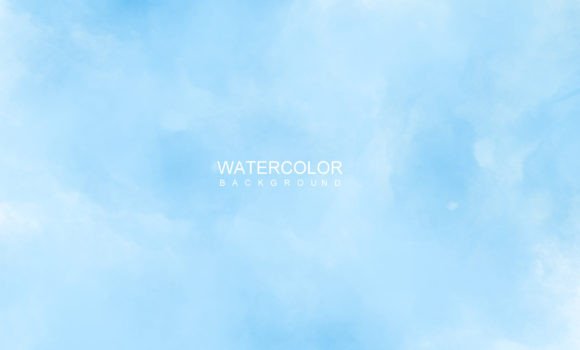
There’s a particular quality to blue that feels both expansive and grounding. It’s the color of the sky on a clear day, the depth of the ocean, and the quiet focus of a deep breath. When this color is rendered in watercolor, it gains a new layer of character—soft edges, gentle bleeds, and a handcrafted, organic texture that feels alive. That’s the essence of a Blue Watercolor Background. It’s not just a flat, digital hue; it’s a versatile design asset that brings a serene, artistic, and sophisticated atmosphere to countless projects.
The Visual Personality: More Than Just a Color
A Blue Watercolor Background is defined by its fluidity and natural imperfection. The gradients are seamless, moving from airy, pale washes to rich, saturated depths. You’ll often see subtle blooms where pigment pools, creating beautiful focal points without any hard lines. This organic quality is its superpower. It communicates authenticity, calm, and creativity all at once. The style can range from a very light, almost ethereal sky blue to a bold, dramatic navy, each carrying a different mood. A light blue watercolor feels open, hopeful, and clean, making it perfect for wellness brands or baby announcements. A deeper blue feels more authoritative, trustworthy, and luxurious, suitable for corporate presentations or high-end product packaging.
Where This Background Truly Shines
The applications for this design element are remarkably broad, spanning both digital and physical realms. Its inherent versatility makes it a favorite among professionals.
In brand identity and logo design, a subtle blue watercolor texture can add depth and uniqueness to a wordmark or a secondary pattern, helping a brand stand out in a crowded market. It’s particularly effective for businesses in the creative, wellness, or boutique sectors where a human touch is valued. For web design, it serves as an engaging hero section background or a subtle page accent, adding visual interest without overwhelming the content. The texture helps break up the monotony of flat design and can improve user engagement by creating a more immersive experience.
For presentation backgrounds, this is a game-changer. Instead of a stark white slide, a soft blue watercolor wash provides a professional yet visually engaging canvas. It makes text pop, reduces eye strain during long meetings, and conveys a sense of preparedness and creativity. Similarly, in editorial design—think magazine layouts, book covers, or blog post graphics—it sets a specific tone and mood instantly. It’s a powerful tool for visual storytelling.
Don’t overlook its utility in packaging design and print projects. Imagine a gift wrap paper pattern, a set of thank-you cards, or product labels featuring this background. It adds a premium, artisanal quality that feels special and intentional. For social media graphics, it’s a quick way to create cohesive, branded content that feels polished and stands out in a fast-scrolling feed.
Making It Work: Practical Guidance for Your Projects
Simply having a beautiful Blue Watercolor Background file isn’t enough; using it effectively is key. Here’s how to integrate it into your workflow.
First, consider the visual hierarchy. The background should support your content, not compete with it. If you’re overlaying text, especially body copy, ensure there is sufficient contrast. A darker blue watercolor will work well with white or very light text, while a lighter wash might need dark charcoal or navy text for readability. Always test your text placement on the actual background file before finalizing a design.
Next, think about font pairing. The organic, flowing nature of the watercolor pairs beautifully with clean, modern typefaces. A crisp sans-serif font provides a wonderful counterpoint, creating a balanced and professional look. For a more elegant or traditional feel, a refined serif font can work well, especially for headings. You might also consider a script font for accents, but use it sparingly to maintain legibility. The goal is to let the background enhance your typography, not get lost in it.
When you download a resource like this, you’ll often get multiple file types. The PSD files are invaluable for designers, as they may contain layered elements you can customize in Adobe Photoshop. The JPG files are perfect for quick use in presentations, websites, or social media posts. The PNG files, especially if they have transparent elements, offer even more flexibility for layering over other graphics or photos. Understanding these formats ensures you’re using the right asset for each task.
Finally, always be mindful of commercial licensing. If you’re using the background for a client project, merchandise, or any commercial application, verify that your download includes the proper license. This is a critical step in professional practice that protects both you and your client. A quality premium font or design asset provider will be clear about these terms.
In essence, a Blue Watercolor Background is a foundational tool in the modern creative’s toolkit. It’s a bridge between digital precision and handcrafted artistry. By understanding its personality and applying it with intention, you can elevate the professionalism and emotional impact of your work, whether you’re designing a brand, crafting a presentation, or creating a beautiful piece of personal stationery. It’s a simple asset that can make a profound difference in the overall feel and success of your project.